Where to eat in Madrid
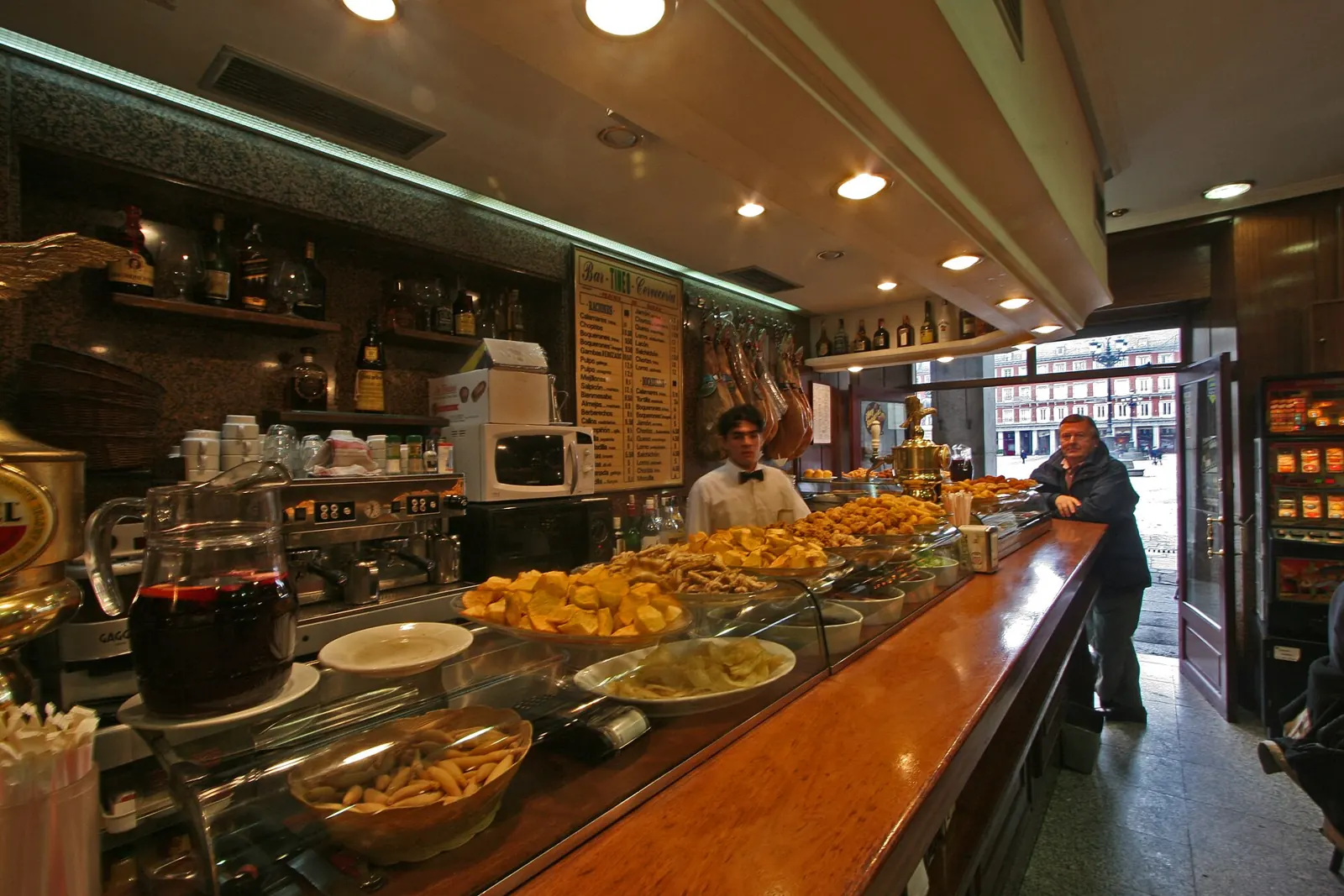
Madrid eats standing at the bar: a vermouth before lunch, a few shared plates at midnight. Traditional Madrid cooking is hearty and unpretentious (cocido stew, tripe, offal, salt cod, sandwiches), but the city is also one of the best places in Spain to try food from every region and from around the world.
This guide explains what to order, where and when, without falling into the tourist traps of the centre.
Typical Madrid food: what to eat
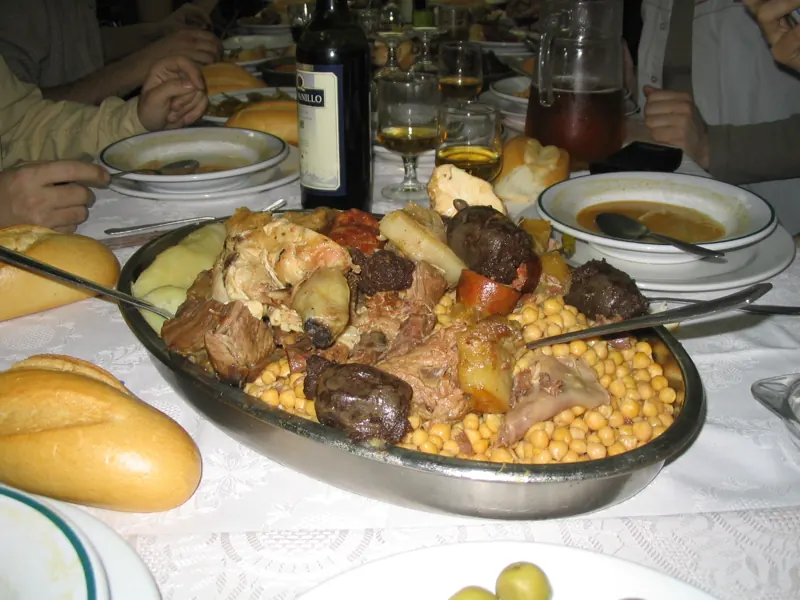
Cocido madrileño
Chickpeas, vegetables, meats and sausages slow-cooked and served in stages: first the noodle soup, then the chickpeas and vegetables, and finally the meats. A winter lunch dish; many restaurants only serve it on certain days.
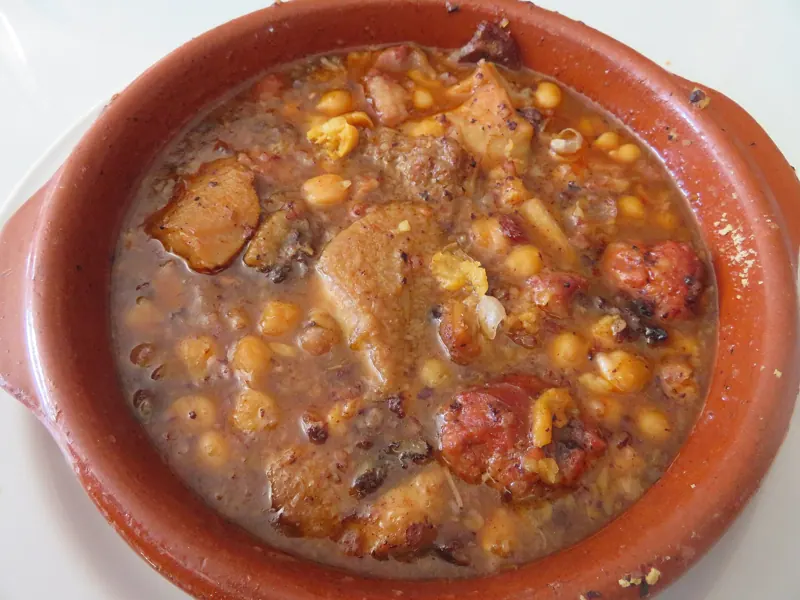
Callos a la madrileña
Beef tripe stew with chorizo, black pudding and paprika, a tavern classic. Best ordered as a shared ración.
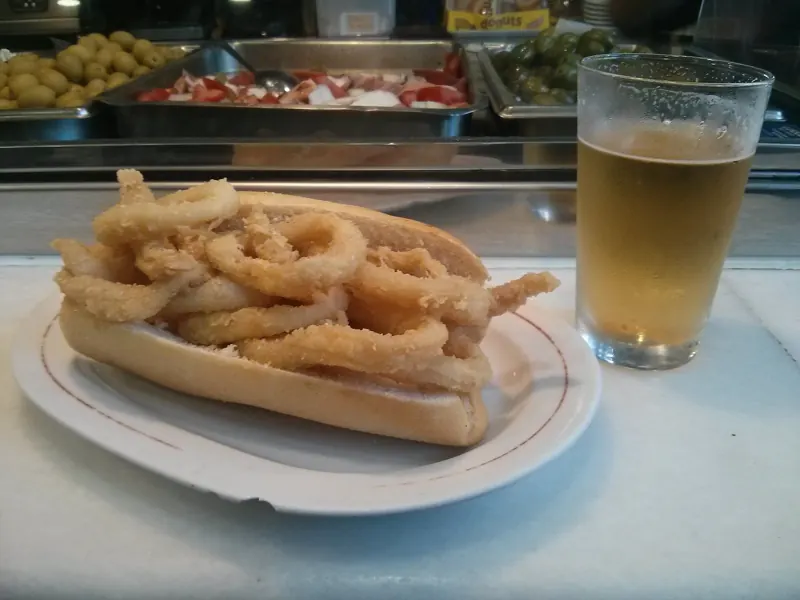
Squid sandwich (bocadillo de calamares)
Crusty bread filled with fried battered squid. Madrid’s signature sandwich, eaten in the bars around Plaza Mayor and near Atocha.
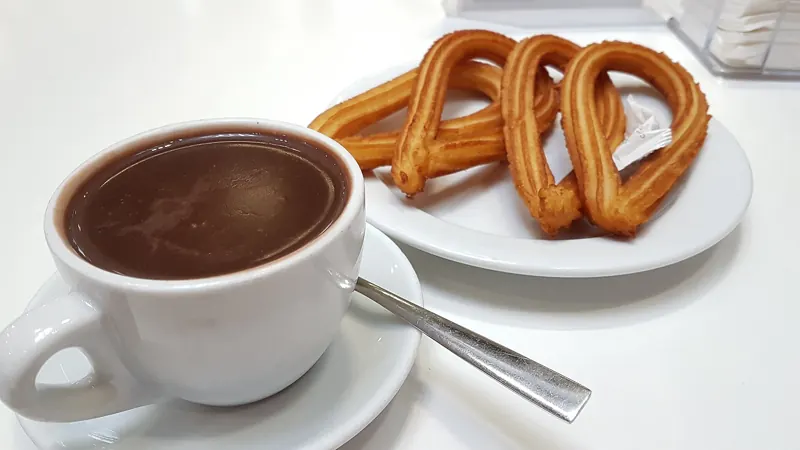
Churros and porras with chocolate
For breakfast, an afternoon snack or the end of a night out. Porras are thicker; the chocolate is thick, for dipping.
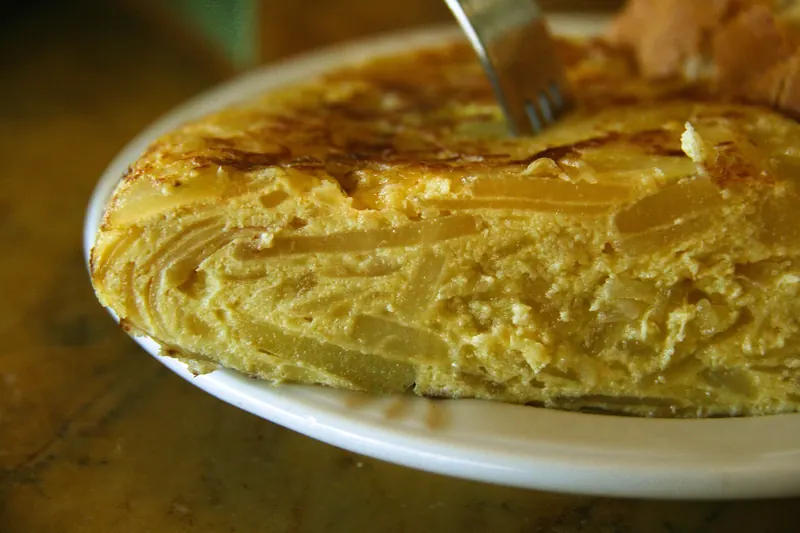
Spanish omelette (tortilla de patatas)
Madrid argues about onion or no onion, well done or runny. A slice of tortilla with a small beer is the universal aperitif.
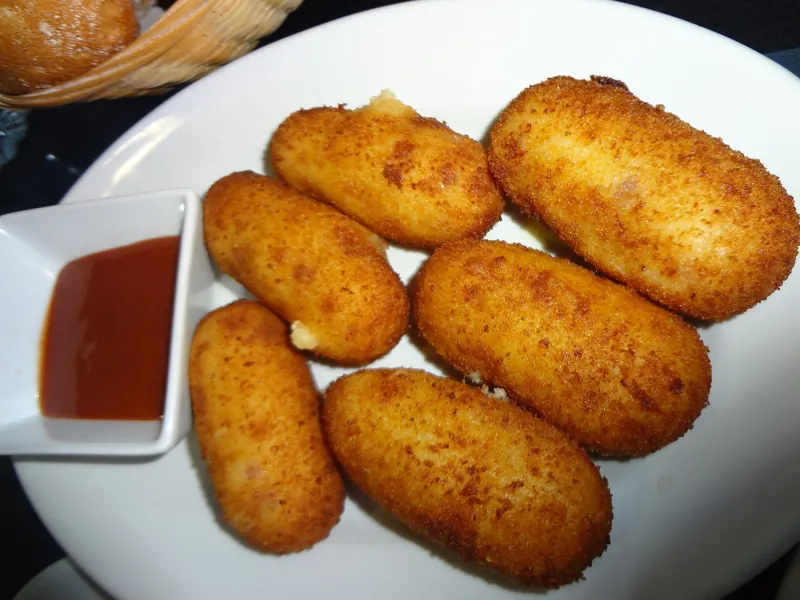
Croquetas
Ham, cocido, salt cod or mushroom: the tapa that best reveals the quality of a kitchen.
Other classics
Patatas bravas, grilled pig’s ear, huevos rotos (fried eggs over chips), soldaditos de Pavía (battered salt cod strips), gallinejas and entresijos (fried offal, for the brave) and, in spring, San Isidro doughnuts.
The best areas to eat in Madrid
La Latina and Cava Baja
The great tapas area of old Madrid. Sundays after El Rastro are at peak buzz.
Literary Quarter (Huertas)
Century-old bars, vermouth on tap and sherry bars.
Malasaña and Chueca
Brunch, specialty coffee, old-school bars and young kitchens.
Lavapiés
Indian, African and global food at good prices, plus terraces on Calle Argumosa.
Salamanca district
Upscale restaurants, quality tapas and the Mercado de la Paz.
Atocha, Delicias and Matadero
Neighbourhood bars with set lunch menus and the Atocha squid sandwich.
Calle de Ponzano (Chamberí)
Off the tourist trail: a whole street of bars and restaurants where locals go out.
Food markets
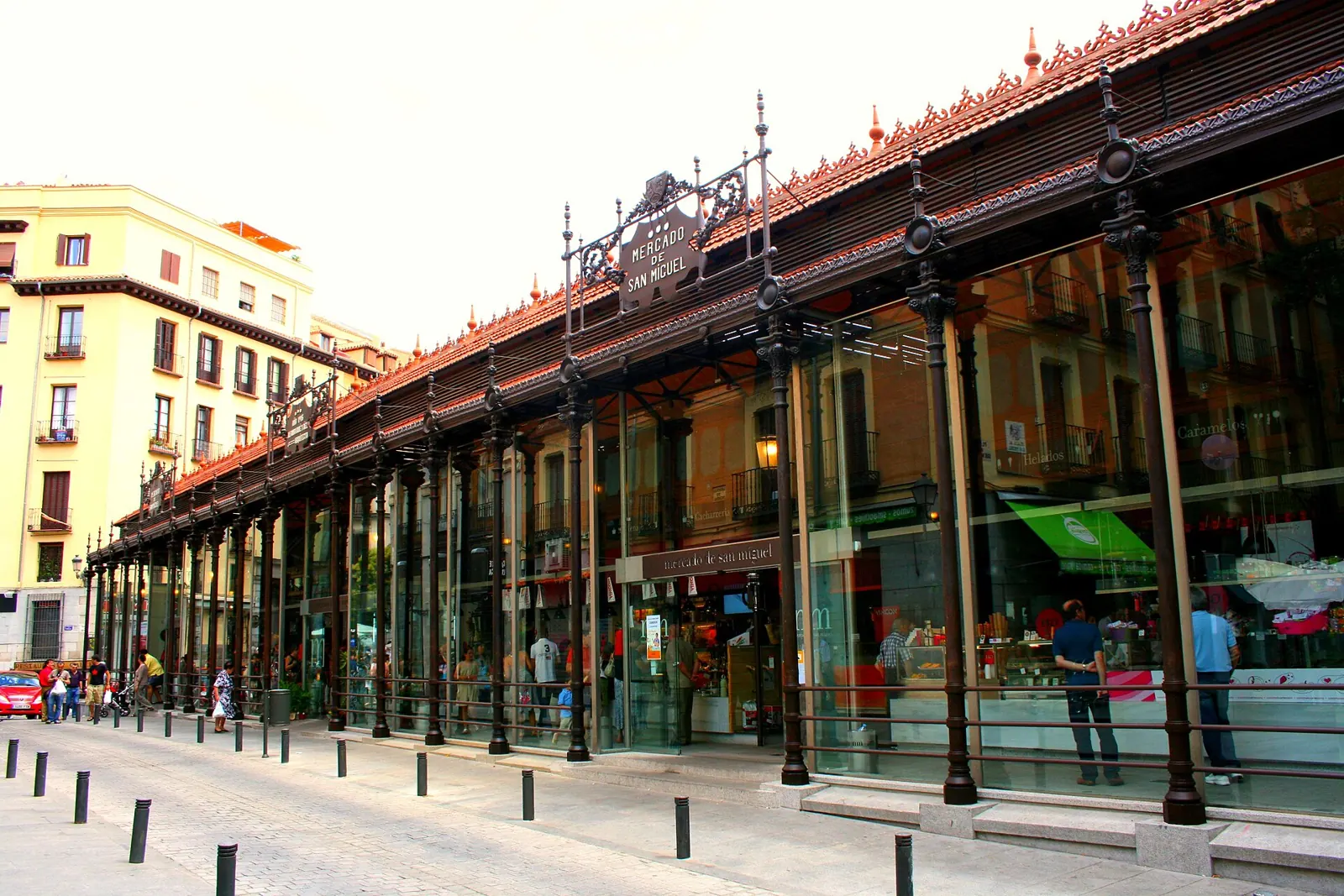
Mercado de San Miguel
Next to Plaza Mayor. A 1916 iron structure, now a gourmet market: beautiful and handy for grazing, but pricey.
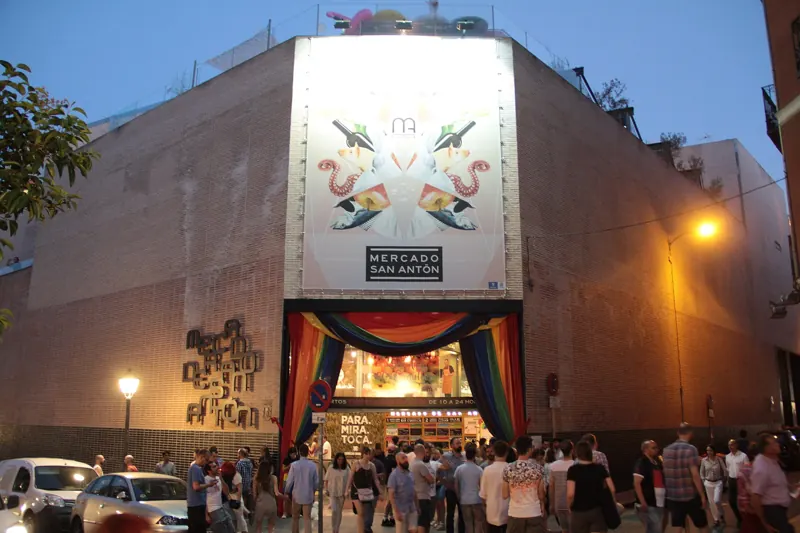
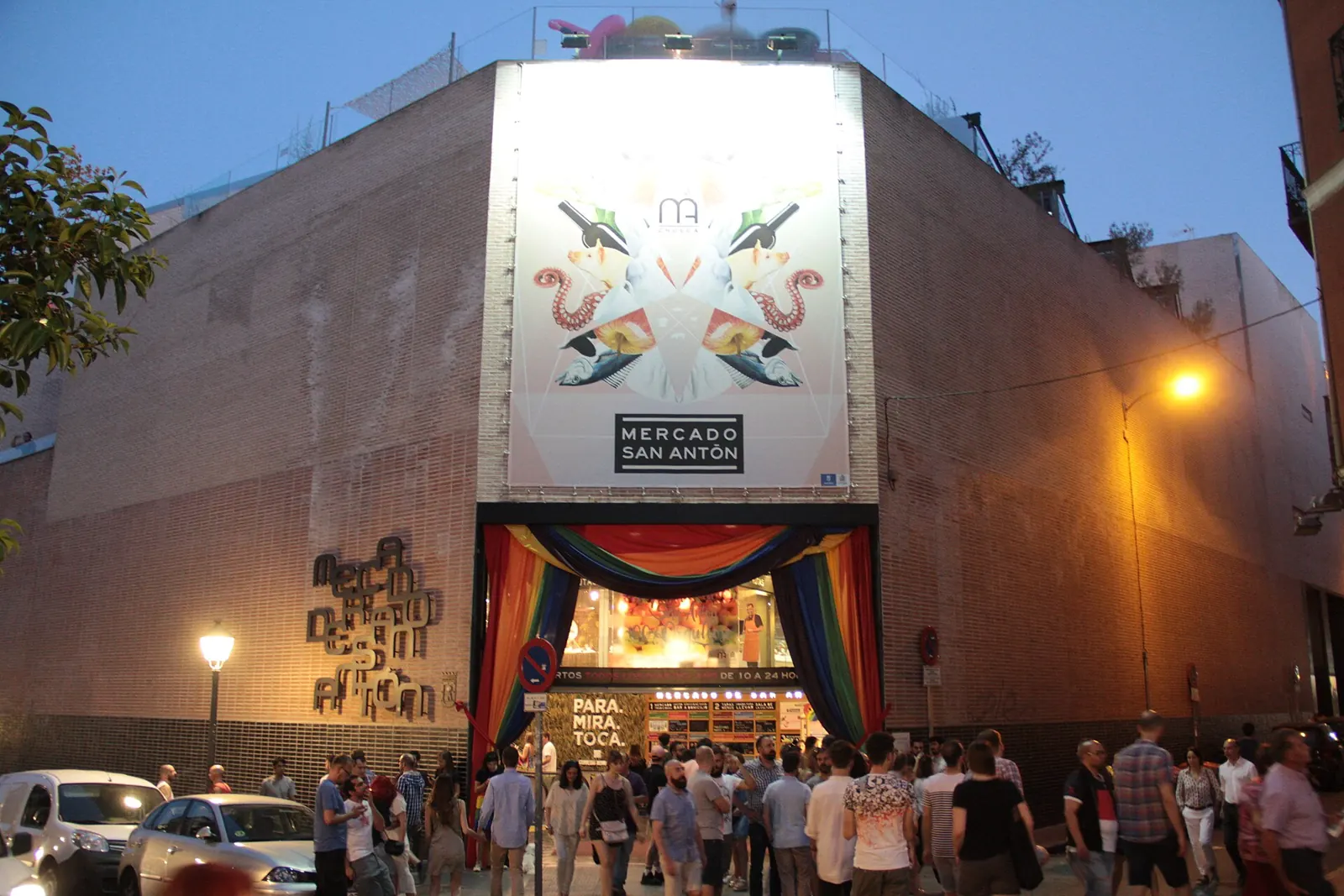
Mercado de San Antón (Chueca)
Produce stalls, food counters and a rooftop terrace.
Mercado de San Fernando (Lavapiés)
A neighbourhood market with food counters and a lively weekend scene.
Mercado de Antón Martín
Between Huertas and Lavapiés, with traditional stalls and international food counters.
Mercado de la Paz (Salamanca)
The Salamanca district’s classic market, famous for Casa Dani’s tortilla.
Historic restaurants and taverns
- Sobrino de Botín. Calle Cuchilleros. Founded in 1725 and listed by Guinness World Records as the oldest restaurant in the world still operating. Roast suckling pig and lamb from a wood-fired oven.
- Lhardy. Carrera de San Jerónimo, since 1839. Famous for its cocido and the consommé served standing in the ground-floor shop.
- Casa Labra. Calle Tetuán, next to Sol. Since 1860, known for its battered salt cod and croquettes.
- Chocolatería San Ginés. Pasadizo de San Ginés, off Calle Arenal. Churros and chocolate since 1894, open very late.
- La Bola. Calle de la Bola, near Ópera. Cocido cooked in individual clay pots.
- Casa Lucio. Cava Baja. Famous for its huevos estrellados (broken eggs over chips).
Well-known places are mentioned for information only; we have no commercial relationship with them. Businesses change, so check opening hours before you go.
Meal times and prices
- Breakfast: 8–10:30 am (coffee and toast or churros).
- Aperitif and vermouth: 12:30–2 pm, especially at weekends.
- Lunch: 2–4 pm. On weekdays many bars offer a menú del día (set lunch).
- Dinner: 9–11:30 pm. At 8 pm you will find most places empty (and some kitchens closed).
A menú del día with starter, main, dessert and a drink costs €14–20 in most neighbourhoods. A caña (small draught beer) is around €2.50–4 depending on the area, and in many bars still comes with a small tapa. Raciones (sharing plates) cost €8–18. Sol, Plaza Mayor and Gran Vía are the most expensive for what you get.
Tips
- Avoid places with staff touting at the door and photos of paella on the menu: paella is not a Madrid dish.
- Ordering “una caña” gets you a small draught beer; “tinto de verano” (red wine with lemon soda) is the refreshing alternative.
- Madrid tap water is excellent: ask for a jug (una jarra de agua).
- Tipping is not mandatory; rounding up or leaving 5–10% for good service is normal.
- Book dinner on Friday and Saturday at well-known places.